
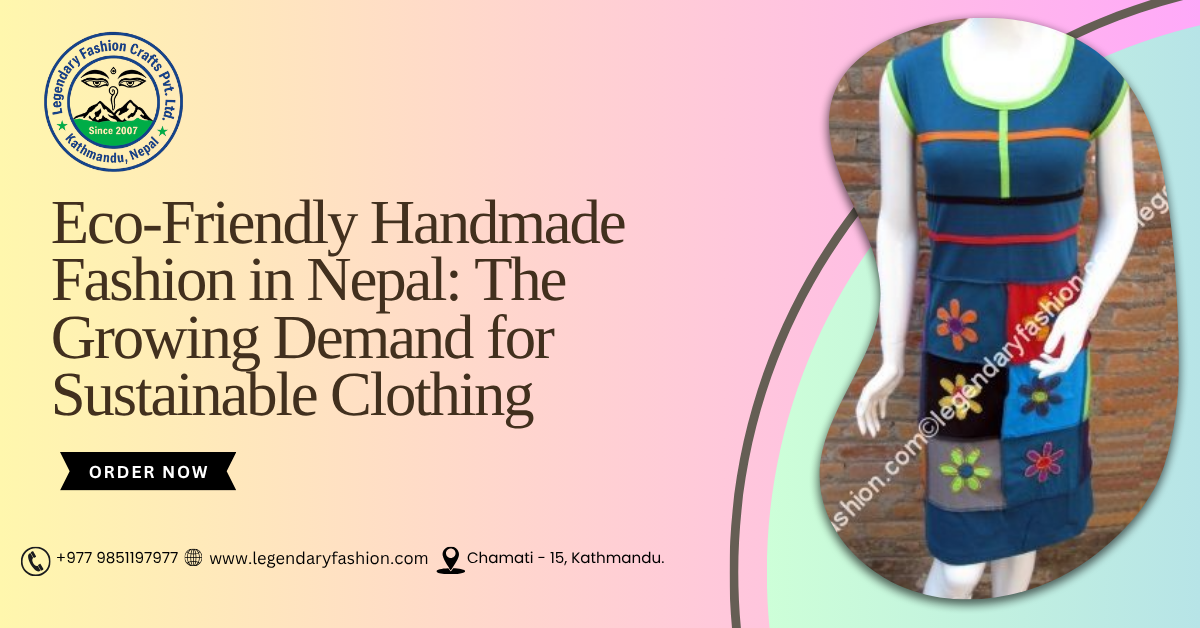
In recent years, the fashion industry has experienced a major transformation. Consumers are becoming more conscious of the environmental and social impact of their clothing choices. As a result, eco-friendly handmade fashion in Nepal has gained significant attention both locally and internationally. From handcrafted garments made with natural fibers to traditional artisan techniques passed down through generations, Nepal is emerging as a destination for sustainable and ethical fashion.
At Legendary Fashion Crafts, we believe fashion should celebrate craftsmanship while protecting the environment. Handmade clothing not only preserves Nepal’s rich cultural heritage but also supports local artisans, promotes fair employment, and encourages responsible consumption.
In this article, we’ll explore why sustainable handmade fashion is growing in Nepal, its environmental benefits, and why choosing handcrafted clothing is an investment in both quality and the future of our planet.
What Is Eco-Friendly Handmade Fashion?
Eco-friendly handmade fashion refers to clothing and accessories that are created using environmentally responsible materials and ethical production methods. Unlike mass-produced garments manufactured in factories, handmade fashion emphasizes quality craftsmanship, sustainability, and minimal environmental impact.
Common characteristics include:
- Natural and biodegradable fabrics
- Ethical production processes
- Fair wages for artisans
- Low-carbon manufacturing
- Traditional handcrafting techniques
- Durable and long-lasting products
- Minimal waste during production
Nepal has long been known for its skilled artisans who create beautiful garments using techniques such as hand weaving, embroidery, knitting, felting, and natural dyeing.
Why Sustainable Fashion Is Becoming More Important
The global fashion industry is one of the largest contributors to pollution. Fast fashion encourages consumers to buy cheap clothing that quickly goes out of style, leading to enormous textile waste and excessive resource consumption.
Some major environmental concerns include:
- Water pollution from chemical dyes
- High carbon emissions during manufacturing
- Massive textile waste in landfills
- Overuse of synthetic materials
- Excessive energy consumption
- Exploitation of garment workers
Consumers are increasingly seeking alternatives that align with their values. Sustainable clothing offers a practical solution by reducing waste, supporting ethical labor practices, and promoting environmentally friendly production.
Nepal’s Rich Heritage of Handmade Fashion
Nepal has centuries of experience in traditional textile production. Many rural communities continue to use age-old techniques that require little machinery and significantly fewer resources than industrial manufacturing.
Some of Nepal’s most recognized handmade fashion products include:
- Handmade wool sweaters
- Cashmere garments
- Hemp clothing
- Felt accessories
- Handwoven scarves
- Cotton dresses
- Knitted hats and gloves
- Handcrafted bags
These products combine traditional craftsmanship with modern fashion trends, making them highly desirable in international markets.
The Rise of Eco-Friendly Fashion Brands in Nepal
Growing global awareness has encouraged many Nepalese fashion businesses to adopt sustainable practices. Companies are increasingly investing in:
Ethical Production
Ethical manufacturing ensures workers receive fair wages, safe working conditions, and respectful treatment throughout the production process.
Natural Materials
Sustainable brands prefer renewable and biodegradable materials such as:
- Organic cotton
- Hemp
- Wool
- Cashmere
- Bamboo fibers
- Natural silk
These materials require fewer chemicals and often have a lower environmental footprint.
Traditional Craftsmanship
Rather than relying solely on machines, Nepalese artisans continue using hand knitting, hand weaving, embroidery, and traditional tailoring techniques that preserve cultural heritage while reducing energy consumption.
Environmental Benefits of Handmade Clothing
Choosing handmade fashion provides several environmental advantages.
Reduced Carbon Footprint
Handmade garments typically require less industrial machinery and energy, resulting in fewer greenhouse gas emissions.
Less Textile Waste
Handcrafted production focuses on quality rather than quantity. Many artisans create garments only after receiving orders or produce in small batches, minimizing overproduction.
Lower Chemical Usage
Natural fibers often require fewer harmful chemicals during production, reducing pollution in rivers and ecosystems.
Longer Product Life
Handmade clothing is generally crafted with superior attention to detail, making it more durable than fast-fashion alternatives.
Consumers buy fewer replacement garments, which ultimately reduces waste.
Supporting Local Artisans and Communities
One of the greatest benefits of purchasing handmade clothing is the positive social impact.
Every purchase supports:
- Skilled local artisans
- Women-led businesses
- Rural communities
- Traditional craftsmanship
- Family-owned workshops
Instead of profits flowing into large corporations, sustainable fashion creates opportunities for local families and preserves valuable cultural traditions.
Many artisan communities in Nepal rely on handicrafts as their primary source of income.
Popular Sustainable Materials Used in Nepal
Hemp Fabric
Nepal is one of the leading producers of hemp textiles. Hemp is naturally durable, biodegradable, and requires very little water compared to cotton.
Benefits include:
- Breathable
- Antibacterial
- UV resistant
- Highly durable
- Eco-friendly cultivation
Organic Cotton
Organic cotton eliminates harmful pesticides and synthetic fertilizers while producing soft and comfortable clothing suitable for everyday wear.
Wool
Nepalese wool products are famous worldwide. Hand-knitted wool garments offer warmth, durability, and natural insulation.
Cashmere
Premium Nepalese cashmere is valued for its softness and luxurious quality. When ethically sourced, it becomes an excellent sustainable luxury fabric.
Felt
Handmade felt products are crafted from natural wool using traditional felting techniques without heavy industrial processing.
Why Consumers Prefer Handmade Clothing
Today’s buyers increasingly value authenticity over mass production.
Handmade garments offer:
Unique Designs
Every handcrafted item carries slight variations that make it one of a kind.
Superior Quality
Artisans spend considerable time ensuring every stitch, seam, and finish meets high standards.
Better Durability
Handmade clothing often lasts much longer than factory-produced garments.
Emotional Value
Customers appreciate knowing the story behind each product and the artisan who created it.
Sustainable Fashion and Slow Fashion
The slow fashion movement encourages consumers to purchase fewer but higher-quality garments.
Instead of constantly replacing clothing, people invest in timeless pieces that remain fashionable for years.
Slow fashion promotes:
- Conscious shopping
- Reduced waste
- Better craftsmanship
- Ethical manufacturing
- Long-lasting quality
Handmade fashion perfectly aligns with these principles.
How Legendary Fashion Crafts Supports Sustainable Fashion
At Legendary Fashion Crafts, sustainability is more than a trend. It is a commitment to preserving Nepal’s artisan heritage while delivering exceptional handmade garments to customers worldwide.
Our approach includes:
- Supporting skilled local artisans
- Promoting ethical craftsmanship
- Using carefully selected materials
- Prioritizing quality over quantity
- Encouraging responsible fashion choices
- Preserving traditional Nepalese techniques
Every handcrafted piece reflects dedication, authenticity, and respect for both people and the environment.
Tips for Buying Sustainable Handmade Clothing
If you’re looking to build a more sustainable wardrobe, consider these tips:
Choose Natural Fibers
Look for fabrics such as hemp, wool, cotton, linen, bamboo, and cashmere.
Buy Quality Instead of Quantity
Invest in durable clothing that will last for years.
Support Ethical Brands
Research brands that value transparency and fair labor practices.
Care for Your Clothing
Proper washing and storage can significantly extend the lifespan of your garments.
Repair Rather Than Replace
Simple repairs can keep favorite clothing wearable for many additional years.
The Future of Eco-Friendly Fashion in Nepal
The future looks promising for Nepal’s sustainable fashion industry. International demand for ethically made clothing continues to rise as consumers prioritize environmental responsibility and social impact.
Advancements in sustainable textile production, combined with Nepal’s rich tradition of handmade craftsmanship, position the country as an important contributor to the global ethical fashion movement.
As more businesses embrace Eco-Friendly Handmade Fashion in Nepal and consumers become more informed, handmade fashion from Nepal will continue gaining recognition across international markets.
Conclusion – Eco-Friendly Handmade Fashion in Nepal
Eco-friendly handmade fashion is reshaping the future of Nepal’s textile industry. By combining traditional craftsmanship, ethical production, and sustainable materials, Nepalese artisans are creating clothing that benefits both people and the planet.
Choosing handmade garments means supporting skilled craftspeople, reducing environmental impact, and investing in high-quality products designed to last. As awareness of sustainable fashion continues to grow, brands like Legendary Fashion Crafts remain committed to preserving Nepal’s cultural heritage while promoting responsible and ethical fashion worldwide.
Every purchase of handmade clothing is more than a style choice. It is a step toward a more sustainable future where craftsmanship, community, and environmental responsibility go hand in hand.
FAQs – Eco-Friendly Handmade Fashion in Nepal
1. What is eco-friendly handmade fashion?
Eco-friendly handmade fashion refers to clothing created using sustainable materials, ethical production methods, and traditional craftsmanship that minimizes environmental impact.
2. Why is sustainable clothing important?
Sustainable clothing helps reduce pollution, conserves natural resources, minimizes textile waste, and supports fair working conditions for artisans and garment workers.
3. Which sustainable fabrics are commonly used in Nepal?
Popular eco-friendly materials include hemp, organic cotton, wool, cashmere, bamboo fibers, and natural felt.
4. Is handmade clothing better than fast fashion?
Yes. Handmade clothing generally offers better quality, longer durability, unique designs, and ethical production compared to mass-produced fast fashion.
5. How does buying handmade clothing support local communities?
Purchasing handmade products provides income for local artisans, preserves traditional skills, creates employment opportunities, and strengthens rural economies.
6. Why is hemp considered an eco-friendly fabric?
Hemp requires less water, fewer pesticides, grows quickly, improves soil health, and produces durable, biodegradable textiles.
7. What makes Legendary Fashion Crafts different?
Legendary Fashion Crafts focuses on ethical craftsmanship, supports Nepalese artisans, emphasizes quality handmade products, and promotes sustainable fashion practices.
8. How can I identify genuinely sustainable fashion brands?
Look for brands that use natural materials, maintain transparent supply chains, support fair labor practices, produce responsibly, and prioritize quality over mass production.
9. Does handmade clothing cost more?
Handmade clothing may have a higher upfront price because of skilled craftsmanship and quality materials, but its durability often makes it a better long-term investment.
10. How can I make my wardrobe more sustainable?
Start by buying fewer, higher-quality garments, choosing natural fabrics, supporting ethical brands, caring for your clothing properly, repairing damaged items, and donating or recycling garments instead of discarding them.